Advancements in artificial intelligence are pushing boundaries, now even venturing into the realm of biological design. Recent reports highlight the development of AI-designed viruses, raising both excitement and ethical considerations within the scientific community. What does this mean for the future of biotechnology and what are the potential implications?
The Rise of AI-Designed Viruses
Scientists are increasingly leveraging AI to accelerate the design and development of new biological entities, including viruses. This technology allows for the creation of viral structures with specific properties, potentially useful for targeted drug delivery or gene therapy.
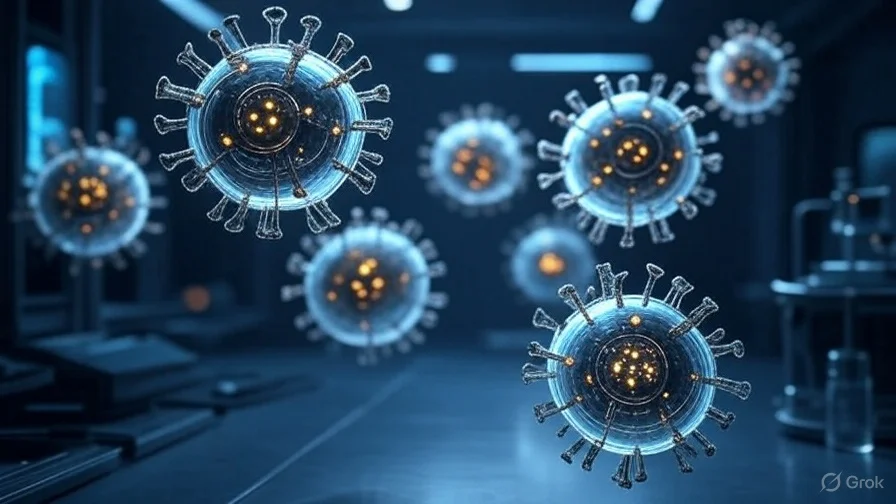
The ability of AI to rapidly analyze vast datasets and identify optimal designs marks a significant leap forward in virology.
Potential Applications in Medicine
The use of AI in virus design holds promise for revolutionary applications in medicine. For instance, AI could be employed to develop viruses that selectively target and destroy cancer cells, offering a more precise and effective cancer treatment than traditional methods. Furthermore, AI could aid in the creation of novel vaccines, tailored to specific viral strains, enhancing our ability to combat infectious diseases. Learn more about how AI is revolutionizing healthcare.
Ethical Considerations and Risks
While the potential benefits of AI-designed viruses are substantial, it is crucial to acknowledge the associated ethical considerations and risks. The same technology that can be used to create life-saving treatments could also be misused to develop harmful biological weapons. Ensuring responsible development and deployment of this technology, with strict regulatory oversight, is paramount. The evolving discussion around Grok AI Ethics is relevant in this context.
The Future of AI in Biotechnology
The development of AI-designed viruses represents just one aspect of the broader impact of AI on biotechnology. As AI technology continues to advance, we can anticipate further breakthroughs in areas such as drug discovery, personalized medicine, and synthetic biology. Embracing these advancements responsibly will unlock unprecedented opportunities to improve human health and well-being. AI’s impact on areas like AI in Healthcare Supply Chains is already being felt.
In conclusion, the emergence of AI-designed viruses signifies a pivotal moment in the intersection of artificial intelligence and biotechnology. While the potential for groundbreaking medical advancements is undeniable, it is imperative to proceed with caution, ensuring that ethical considerations and safety measures are at the forefront of this rapidly evolving field.